
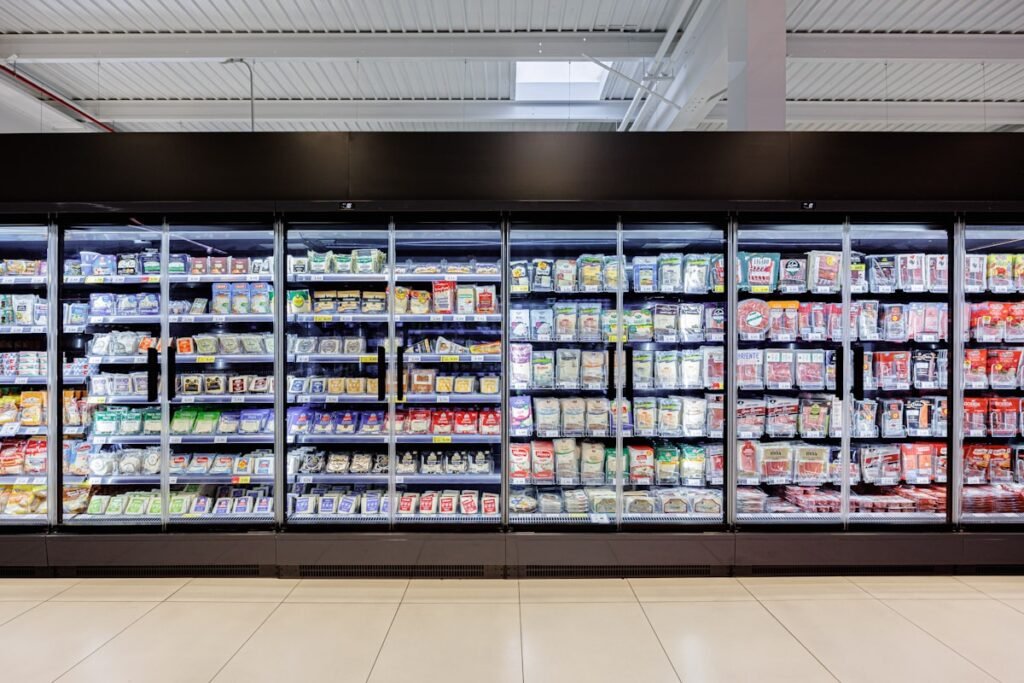
New York is one signature away from retiring the “Sell By” date. The Food Date Labeling Act (S7618B, sponsored by Sen. Michelle Hinchey, with Assembly companion A7291B from Asm. Karines Reyes) passed the Senate 53-7 on May 11, 2026, cleared the Assembly, and was returned to the Senate on June 2. It now sits with Governor Hochul as part of a five-bill food reform package that lawmakers and advocates are publicly urging her to sign.
Two Dates Instead of a Dozen Phrases
Today, food packages carry a jumble of “sell by,” “expires on,” “freshest before,” and other phrases that have no standard meaning. The bill replaces all of it with exactly two categories:
- “Use By” (or “Use By or Freeze By”) for safety dates, meaning the food should not be eaten after that date.
- “Best if Used By” (or “Best if Used or Frozen By”) for quality dates, meaning the food may taste less fresh but is still safe.
- Small packages may use the abbreviations “UB” and “BB.”
- Consumer-facing “Sell By” language is banned; stores could still use coded dates for stock rotation.
Infant formula and alcoholic beverages are exempt, and wine and spirits may carry bottling or manufacture dates instead.
What It Means Behind the Register
The compliance duty falls on everyone who labels food, manufacturers, processors, wholesalers, and retail food stores alike, and the bill also calls for consumer education and in-store signage explaining the new terms. Two provisions matter most for store owners:
- You can keep selling past the quality date. The bill expressly states that it does not prohibit the sale, donation, or use of food after its “Best if Used By” date. That is money back in your pocket: product you now pull and dump because a meaningless date scared a customer stays sellable.
- Donation is protected. Wholesalers and retail food facilities may donate product past its quality date, which pairs with existing Good Samaritan protections for food donors.
The upside for independents: advocates estimate clearer labels could cut household food waste by roughly 20 percent, and for stores it means less shrink from tossing perfectly good inventory. The cost side is a transition: your suppliers will relabel, your staff will field questions, and your stock-rotation habits built around “sell by” will need a coded-date replacement.
Timing
If signed, the act takes effect 180 days after enactment, with implementation phased in over the following year; analysts tracking the bill point to full compliance by mid-2028. That is a long runway, but the direction is clear, and because suppliers relabel nationally, New Jersey and Pennsylvania stores that buy from the same distributors will likely see the new labels on their shelves too. AARA will alert members when the governor acts.
Sources
- New York State Senate: Bill S7618B, Food Date Labeling Act
- National Law Review: New York Legislature Sends Uniform Food Date Labeling Bill to Governor
- Environmental Advocates NY: Statement on Passage of the Food Date Labeling Act
- NY Senate Newsroom: Lawmakers and Advocates Celebrate Food Reform Package, Urge Governor to Sign