
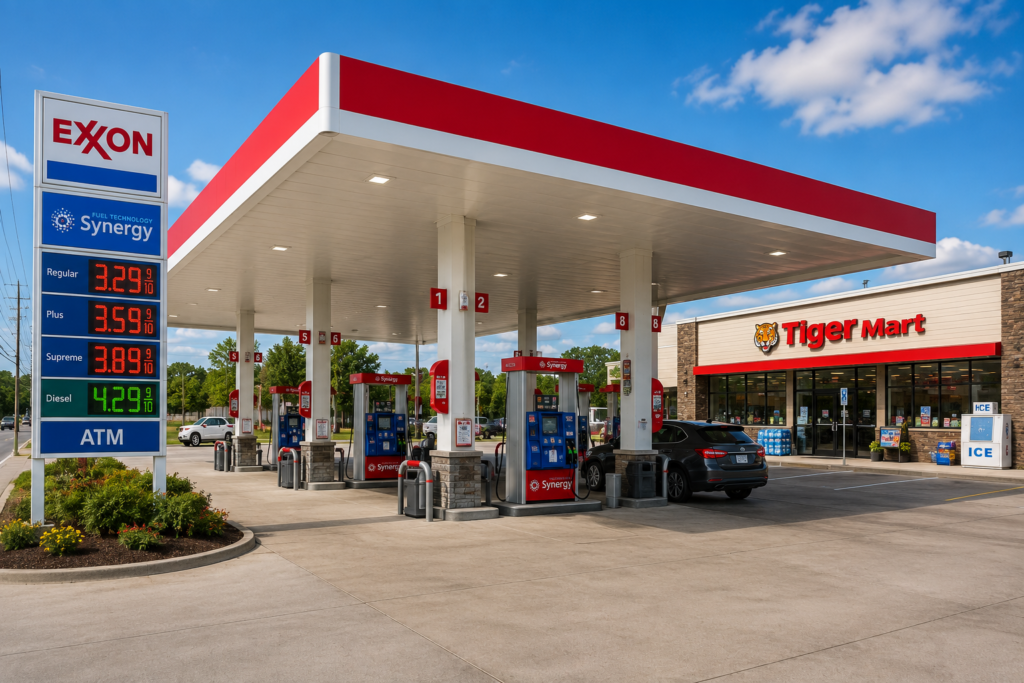
New Jersey is famous for one thing at the pump: drivers cannot fill their own tanks. The state prohibits self-service fueling at retail gas stations, which makes NJ operations different from neighboring New York and Pennsylvania. If you run, or are buying, a station in New Jersey, here’s what that means day to day.
2026 update: A New Jersey state senator has again reintroduced legislation that would give drivers the option to pump their own gas, reviving a long-running debate. The bill has not advanced, and New Jersey’s full-service requirement remains fully in force, but AARA is flagging it because a change would reshape station staffing and labor costs overnight. We’ll alert members if it moves.
The rule in plain terms
Under New Jersey law, only a qualified attendant may dispense fuel into a customer’s vehicle at a retail gas station. Customers are not permitted to pump their own gas. This applies to gasoline; rules for other situations can differ, so check the specifics for your site.
Verify before you rely on it: Fuel statutes and penalties change. Confirm the current requirements with the New Jersey Division of Consumer Affairs / Office of Weights & Measures and the NJ Department of Environmental Protection for tank rules before making staffing or compliance decisions.
What it means for your operation
- Staffing is mandatory. You must have attendants on duty whenever you’re selling fuel. Build this into your labor budget and scheduling.
- Training matters. Attendants should be trained on safe dispensing, payment handling at the pump, and what to do if a customer tries to self-serve.
- Customer experience. Many out-of-state drivers don’t know the rule. Clear signage (“Stay in your vehicle, we’ll pump for you”) reduces confusion.
- Cross-border comparison. If you also operate in NY or PA, remember those states allow self-service, your staffing model won’t transfer directly.
Common questions we hear
Can I let a customer pump during a rush to save time?
No. The prohibition applies regardless of how busy you are. Letting customers self-serve can expose you to penalties.
Does the ban affect diesel or fleet fueling?
Some categories and locations can be treated differently. Don’t assume, confirm your specific situation with the state before changing any procedure.
The AARA takeaway
The self-serve ban is a fixed cost of doing business in New Jersey, but it’s also a service advantage you can lean into. Well-trained, friendly attendants build loyalty that self-service states can’t match. Keep signage clear, keep staff trained, and keep your weights-and-measures paperwork current.