
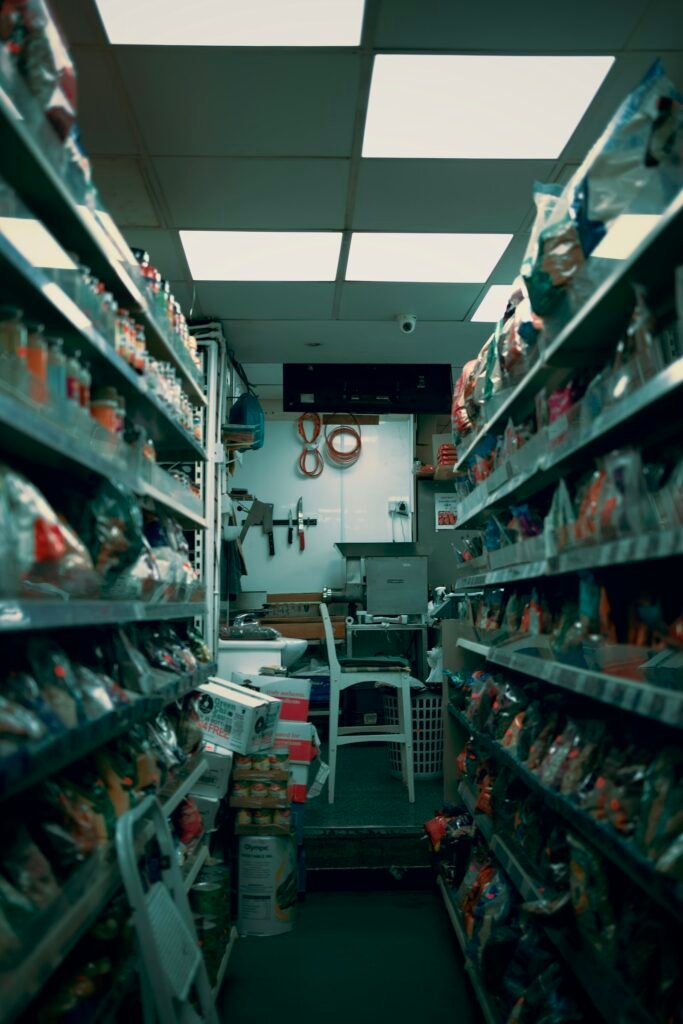
A federal rule change is about to raise the bar for every store that accepts SNAP/EBT, and for tri-state convenience retailers, the compliance date is closer than it looks. Published on May 8, 2026, the updated USDA stocking standards take effect November 4, 2026. Stores that don’t meet them risk losing their SNAP authorization.
What the new stocking standard requires
Under the final rule, all SNAP-authorized retailers, other than specialty stores, must continuously stock at least seven different varieties in each of the four staple food categories:
- Dairy products
- Fruits or vegetables
- Grains / bread & cereal
- Meat, poultry, or fish (protein)
In addition, retailers must offer perishable items in at least three of those four categories. The goal, USDA says, is to ensure SNAP customers can actually buy a variety of staple foods where they shop, not just snacks and drinks.
Why this matters for tri-state c-stores
Many convenience stores and gas-station marts across New Jersey, New York, and Pennsylvania have historically carried a thin selection of staples. Under the new standard, a cooler with two kinds of milk and a couple of yogurts may no longer clear the “seven varieties” bar for dairy. Falling short isn’t a paperwork slap, it can mean losing SNAP authorization entirely, cutting off EBT sales that drive real foot traffic and basket size.
The good news for the tri-state on beverages
Separately, a wave of states has begun using USDA waivers to bar SNAP customers from buying soda, candy, and other “junk foods” with EBT, starting with Indiana, Iowa, Nebraska, Utah, and West Virginia, with more phasing in through late 2026. As of mid-2026, New Jersey, New York, and Pennsylvania have not adopted these beverage/candy restrictions. That means tri-state retailers can still ring up soda and candy on EBT, but the new stocking rule applies to everyone, restriction states or not.
What to do before November 4
- Audit your four staple categories now. Count distinct varieties in dairy, fruits/vegetables, grains, and protein, you need seven in each.
- Add perishables in at least three categories (fresh or refrigerated milk, eggs, produce, meat).
- Rework a shelf or cooler section if needed; small footprint stores can meet the rule with canned, frozen, and shelf-stable variety, not just fresh.
- Keep documentation ready for SNAP retailer inspections.
The AARA perspective
SNAP dollars are a meaningful share of many members’ revenue, and losing authorization over a stocking technicality would be an avoidable, costly mistake. The November 4 date gives every tri-state store enough runway to adjust, if you start now. AARA encourages members to treat this as a merchandising opportunity as much as a compliance task: a broader staples selection can grow baskets beyond just EBT customers.
Sources
USDA Food and Nutrition Service. SNAP Stocking Standards Final Rule and Retailer Notice (fns.usda.gov); National Grocers Association SNAP Waiver Tracker; NRS, “The SNAP Ban: 2026 Retailer Guide to Banned Items”; Civil Eats, “Confusion and ‘Chaos’ as States Implement SNAP Restrictions” (Feb 2026).