
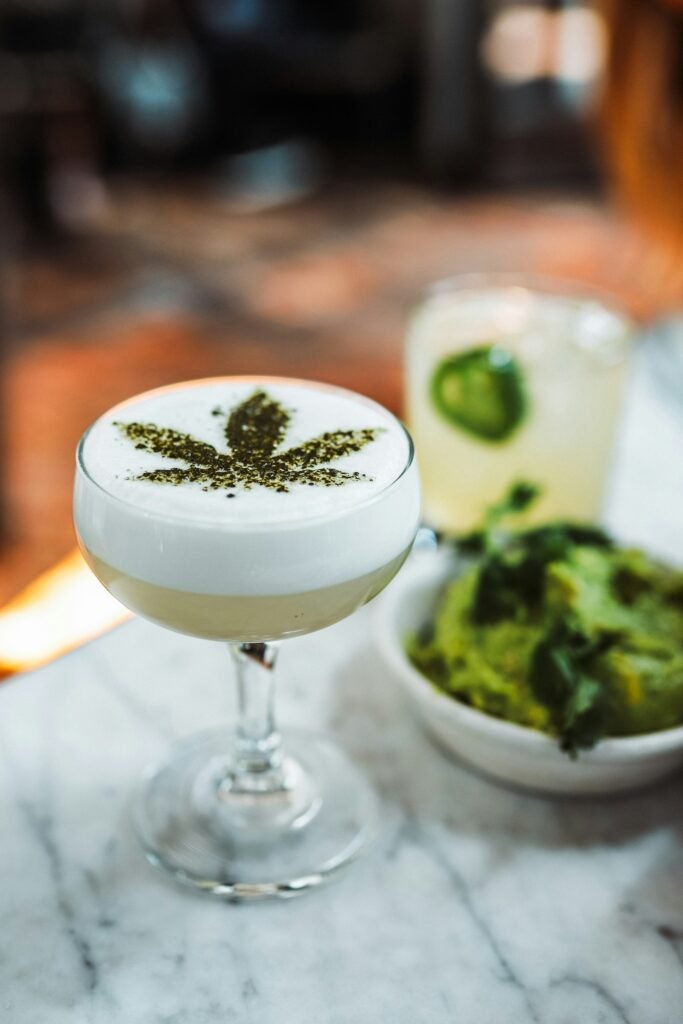
Two deadlines in November 2026 are about to reshape one of the fastest-growing categories on tri-state shelves: hemp-derived THC beverages. Between a new federal hemp standard and New Jersey’s incoming ban, retailers in New Jersey, New York, and Pennsylvania need a plan now, not in the fall.
New Jersey: The clock runs out November 13
New Jersey has moved aggressively to pull intoxicating hemp products out of general retail. Under the state’s new framework:
- As of April 13, 2026, intoxicating hemp/THC beverages may only be sold by licensed liquor stores (holding a plenary retail distribution license) and licensed Class 5 cannabis retailers. Convenience stores, gas stations, and smoke shops are shut out.
- Any beverage still sold during the transition may contain no more than 5 mg of total THC per serving and 10 mg per container, and, as of May 31, 2026, must be tested by an ISO 17025-accredited, DEA-registered lab.
- On November 13, 2026, the prohibition on selling intoxicating hemp beverages takes full effect.
The federal layer lands one day earlier
Retailers should not treat this as a New Jersey-only story. A new federal hemp standard takes effect November 12, 2026, shifting the legal test from delta-9-only to total THC (including THCA) and capping hemp-derived cannabinoid products at just 0.4 mg of total THC per container. In practice, that removes most intoxicating hemp beverages from legal interstate commerce nationwide, tightening the vise on New York and Pennsylvania shelves as well.
New York: a bill, not yet a law
New York is taking a different route. Senate Bill S9220, introduced in February 2026 by Sen. Jeremy Cooney (chair of the Senate Subcommittee on Cannabis), would let liquor and wine stores sell low-potency cannabis beverages capped at 5 mg of delta-9 THC per serving, restricted to buyers 21 and older and kept in a separate, distinctly marked area. It remains a proposal. New York retailers should watch it, but not bank on it.
Pennsylvania: a patchwork, for now
Pennsylvania still lacks a clear statewide framework. Enforcement is uneven and local ordinances vary, leaving operators exposed to sudden changes. Most observers expect the state to land on age-21 sales and serving/container potency caps within the next year, but until then, Pennsylvania retailers are carrying real compliance risk.
What tri-state retailers should do now
- Stop restocking intoxicating hemp beverages you cannot legally sell after the November deadlines.
- Plan your sell-through. Work backward from November 12-13, 2026, and move remaining eligible inventory well before then.
- Confirm your license type. In New Jersey, only plenary retail distribution licensees and Class 5 cannabis retailers can legally sell during the transition.
- Check your lab paperwork. Products without ISO 17025 / DEA-registered testing are already non-compliant in New Jersey.
- Watch New York’s S9220 if you hold a liquor or wine license, it could open a new, regulated lane.
The AARA perspective
This is a category that generated real revenue for our members, and losing it stings. But the direction of travel is unmistakable across the tri-state and at the federal level. AARA’s guidance is simple: protect your license and your bottom line by getting ahead of the November deadlines rather than gambling on enforcement delays. We will keep members updated as New York and Pennsylvania finalize their own rules.
Sources
New Jersey Cannabis Regulatory Commission. Intoxicating Hemp-Derived Products FAQ (nj.gov/cannabis); New Jersey Monitor, “Bill advances that would allow potent THC drinks in liquor stores until November” (May 2026); Duane Morris Cannabis Blog, “NY Bill Would Allow Low-THC Drinks in Liquor Stores” (Feb 2026); Scarinci Hollenbeck, “Federal Hemp Ban Signed Into Law” (2026); CannabisRegulations.ai, Pennsylvania hemp-THC beverage analysis (2025-2026).