
A bill that would put “high caffeine” warnings on the beverages sold in Pennsylvania stores is moving again, and a late change to the bill sharply narrows which drinks it would actually hit. House Bill 2377, sponsored by Representative Sean Dougherty of Philadelphia, cleared the House Consumer Protection, Technology and Utilities Committee with amendments and was re-committed to the Rules Committee on June 23, 2026.
The threshold moved from 80 milligrams to 250
As Rep. Dougherty originally proposed it, the warning would have been triggered by any beverage containing 80 milligrams or more of caffeine per serving. That is a low bar. An 8.4 ounce Red Bull is right at it, and virtually every energy drink, large coffee and many teas would have cleared it.
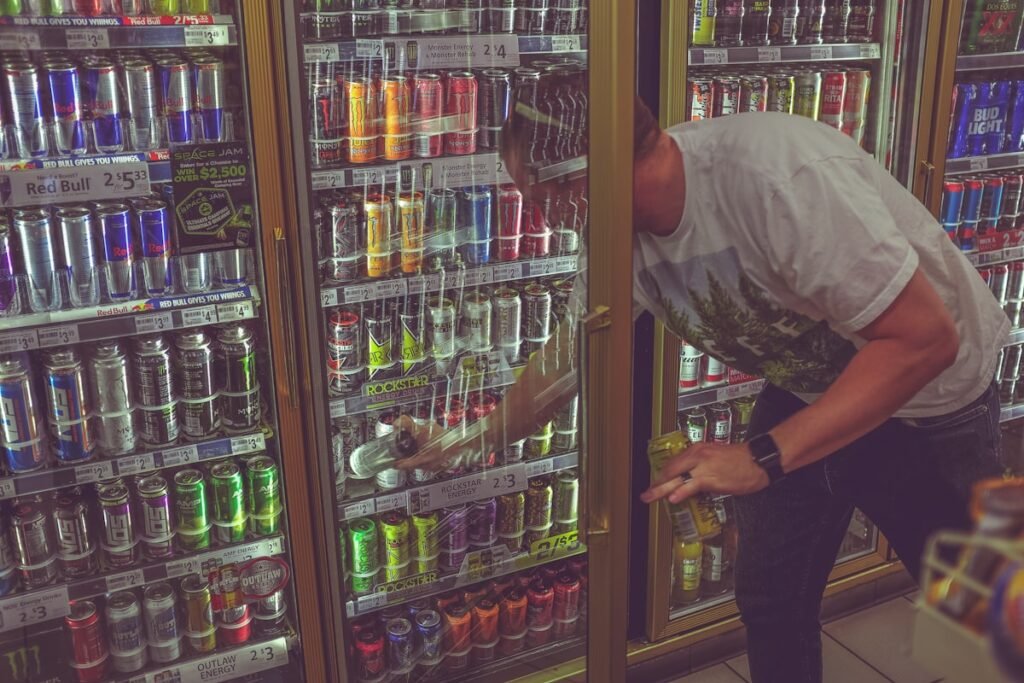
The version that came out of committee raises the trigger to 250 milligrams of total caffeine per serving. That single change moves most of the packaged energy drink cooler out of scope. A 16 ounce Monster sits around 160 milligrams. A typical Celsius is around 200. Under a 250 milligram threshold, the products that would require a warning are the high-dose specialty items and the large prepared and fountain style drinks, not the standard cans that make up most of the category.
For member stores, the practical read is this: at 80 milligrams the bill would have meant signage across most of your cold vault. At 250 milligrams, it is a much narrower obligation. That is exactly why the threshold is the number to watch as this bill moves.
What the bill requires
- Who it covers. The proprietor of a “retail food facility” that offers a covered beverage for sale. In Pennsylvania that category takes in convenience stores, delis, coffee counters and other food-handling retail.
- What must be posted. The words “high caffeine,” or another warning, icon or symbol approved by the Department of Agriculture, displayed directly next to the name of the beverage where it is offered for sale.
- When it starts. The act would take effect 90 days after it is signed into law.
- Enforcement. A proprietor who is still in violation 30 days after receiving written notice becomes subject to the penalty provisions of the state’s food protection law. In other words, there is a notice and cure period before any penalty attaches.
The backstory
The bill grew out of the death of Sarah Katz, a 21-year-old University of Pennsylvania student who died on September 10, 2022, after drinking a highly caffeinated beverage. Katz had a heart condition that made her vulnerable to large doses of caffeine, and she did not know how much caffeine the drink contained. In his co-sponsorship memo, Rep. Dougherty framed the bill as an information measure: as energy drinks grow more popular, consumers who are sensitive to stimulants should be able to see what they are buying.
Where it stands and what members should do
HB 2377 is not law. Being re-committed to Rules means it is positioned for a possible floor vote but is not guaranteed one, and Harrisburg’s attention is currently on the budget. Nothing changes in your store today.
What is worth doing now is small:
- Know the caffeine content of what you sell, particularly anything prepared or dispensed in-store where you, not the manufacturer, control the serving size. Those are the products a 250 milligram rule would reach first.
- If you operate a fountain, frozen or specialty beverage program, ask your supplier for per-serving caffeine figures in writing. If this bill or a future version passes, you will need those numbers, and suppliers are slow to produce them.
- Watch the threshold. If the 80 milligram figure returns in a later amendment, the compliance burden on cold vaults grows substantially, and that is the moment for retailers to be heard.
Similar caffeine signage proposals have surfaced in other states, including Delaware and Connecticut, so this is unlikely to be a one-session issue. AARA will keep members posted as HB 2377 moves.