
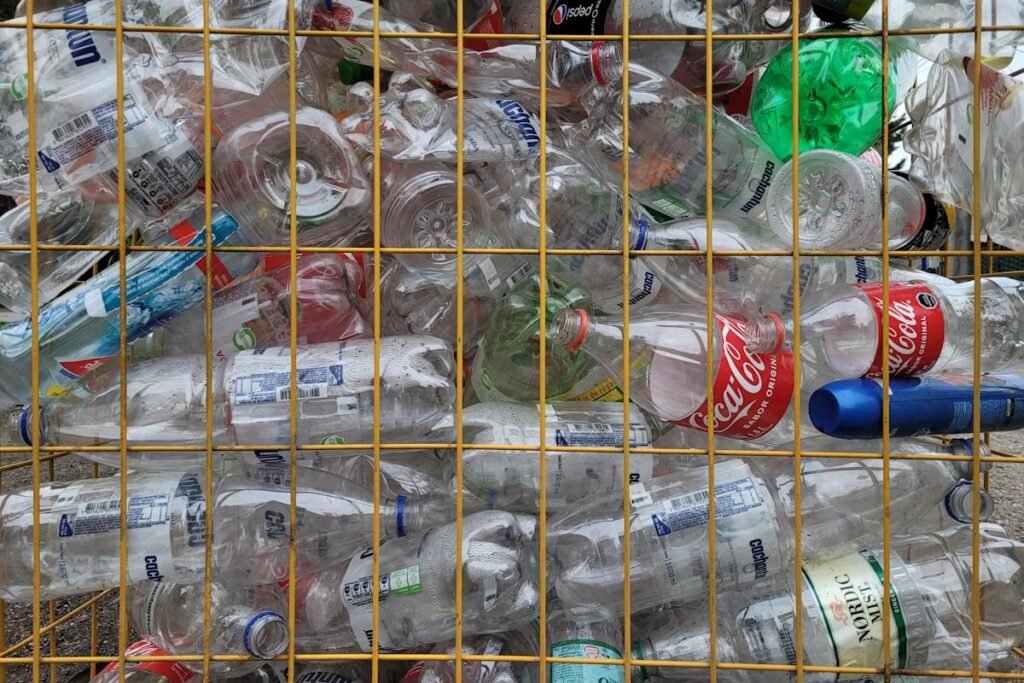
New York’s bottle deposit law has not been meaningfully updated since it was written in the early 1980s, and a push in Albany would change that in ways store owners will feel at the counter. The “Bigger Better Bottle Bill,” carried as A6543 by Assemblymember Deborah Glick and S5684 by Senator Rachel May, would double the deposit and pull a long list of new containers into the redemption system.
The bill has not passed either chamber. Both versions sit in committee, and advocates are pushing to move it. For retailers, that pause is the window to understand what is being proposed and to be heard on it.
What the bill would do
- The deposit doubles. The refund value rises from 5 cents to 10 cents per container, beginning April 1, 2027 under the bill text.
- Far more containers are covered. The definition of a covered beverage expands to include noncarbonated soft drinks, fruit and vegetable juices, coffee and tea beverages, carbonated fruit beverages, and cider. The campaign behind the bill is also seeking to bring wine and spirits containers into the system.
- The handling fee finally moves. The fee paid to whoever accepts the empties has been stuck at 3.5 cents. The bill raises it to 5 cents, then 6 cents in April 2027, reaching 6.5 cents by April 2032.
- New obligations on distributors. The bill sets recycling rate performance targets, requires a share of containers to be refillable over time, and mandates annual reporting on redemption rates.
- A fraud crackdown. The bill directs a multi-agency team to investigate bottle redemption fraud in New York and report its findings.
Why this lands on retailers
Under New York’s Returnable Container Act, a dealer generally has to take back the same kinds of containers it sells. Expand what carries a deposit and you expand what comes back through your door. Double the deposit and you increase the incentive for people to bring it back.
For a small store, the cost of the bottle bill is not the nickel. It is floor space, storage, staff time at the redemption machine, sorting, and hours spent handling other people’s empties instead of serving customers.
The squeeze is real on both ends. Because the handling fee has not risen since 2009, redemption centers across the state have closed. When a redemption center closes, the returns do not disappear. They shift to the nearest retailer that sells those beverages, which is very often a member store. A higher handling fee is the part of this bill that could work in retailers’ favor, along with the grant program the sponsors propose for keeping collection sites open.
The opposition
The Business Council of New York State has formally opposed the measure, arguing that it drives up costs for businesses and consumers. The Council has pointed in particular to the requirement that a share of containers be refillable, and has argued that redemption centers would be better supported by giving them a larger cut of unclaimed deposits rather than raising the upfront price of every drink. Some beverage retailers and liquor store owners have raised the same logistical concern: more container types means more sorting and more storage in space they do not have.
What AARA members should watch
- Whether the bill moves out of committee, or gets folded into a future budget negotiation, which is how large policy changes often pass in Albany.
- Whether the final version keeps the handling fee increase intact. If the deposit expansion passes without a meaningful handling fee bump, retailers absorb the work and get very little for it.
- Whether wine and spirits containers land in the final scope, which would newly pull liquor store members into a redemption obligation they have never had.
- What relief exists for small stores with no room, such as redemption center capacity grants or square footage exemptions.
If your store would struggle to store and sort a wider range of empties, that is worth putting in writing to your Assembly member and state senator while the bill is still in committee. Retailer testimony about physical constraints is the input Albany hears least and needs most.