
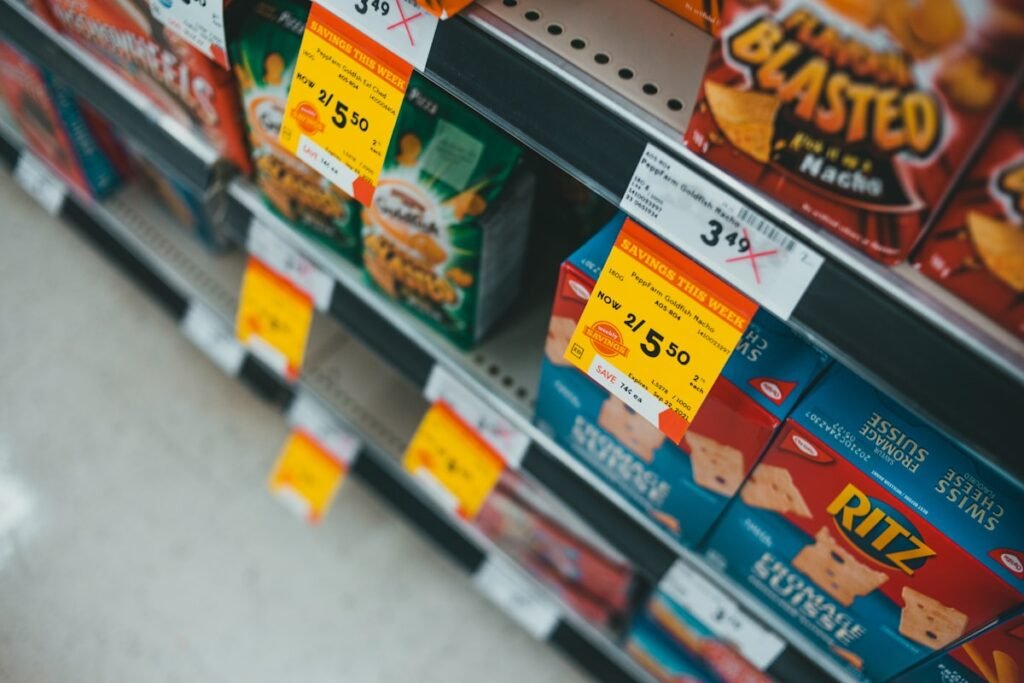
Pennsylvania is moving toward a ban on dynamic pricing inside brick and mortar stores. House Bill 2626 cleared the House Consumer Protection, Technology and Utilities Committee on June 23, 2026 by a vote of 18 to 8, and it would make the practice a violation of the state’s consumer protection law. If it becomes law, it puts a hard limit on what a Pennsylvania retailer can do with an electronic shelf tag.
What the bill targets
HB 2626, introduced by Representative Nathan Davidson of the 103rd District, amends the definitions section of the Unfair Trade Practices and Consumer Protection Law, the 1968 statute that governs deceptive business practices in Pennsylvania. The bill was referred to committee on June 12, reported out on June 23, given first consideration, and re committed to the Rules Committee.
The practice it reaches is the one made possible by digital price tags: prices that are displayed electronically and can be changed remotely, in near real time. That is the difference between a paper tag a clerk swaps out and a shelf label a head office can update across every store in a chain in seconds, in response to demand, weather, or time of day.
The Chamber pushes back
The Pennsylvania Chamber opposed the bill in committee, arguing that dynamic pricing technology lets businesses respond to real conditions such as inventory levels, promotions, and consumer demand. That argument reflects a genuine split in retail. Electronic shelf labels are sold to store operators largely as a labor saving tool, not a price gouging tool. They cut the hours spent printing and swapping paper tags, and they cut pricing errors at the register.
The concern lawmakers keep returning to is not the label. It is the possibility that the price on the shelf becomes a moving target for the shopper standing in front of it, and that the technology enabling remote changes eventually gets paired with personal data.
Part of a wider tri-state pattern
Pennsylvania is not out in front here. It is catching up.
- New Jersey passed the Fair Price Protection Act on June 30, 2026, banning grocery pricing based on consumers’ personal data and freezing new electronic shelf label deployments while the state studies them.
- New York already requires a disclosure when a price is set by an algorithm using a customer’s personal data.
- Pennsylvania also has Senate Bill 1205 in play, aimed at price changes on essential goods within a 24 hour window.
The same House committee advanced a second retail bill the same day, HB 2377, the caffeine warning measure, by a vote of 20 to 6. Both bills now await floor action.
What it means for members
- If you are planning an electronic shelf label rollout in Pennsylvania, pause and price in the risk. New Jersey’s law already freezes new deployments in grocery stores. Pennsylvania has not gone that far, but the direction of travel is clear, and an ESL system is a capital purchase with a multi year payback.
- Read the final text before you assume normal promotions are banned. The bill regulates remotely changed electronic price displays, not sales, coupons, or loyalty discounts. The precise line will be drawn in the version that reaches the floor.
- Understand the enforcement route. Because HB 2626 works through the Unfair Trade Practices and Consumer Protection Law, a violation is not a standalone fine so much as an opening for the Attorney General and for private consumer claims under that statute.
- Paper tags are not a compliance problem. Nothing in this bill touches a store that prices the old fashioned way.
HB 2626 still needs a full House vote, Senate passage, and the Governor’s signature. AARA will report on any floor action when the House returns.