
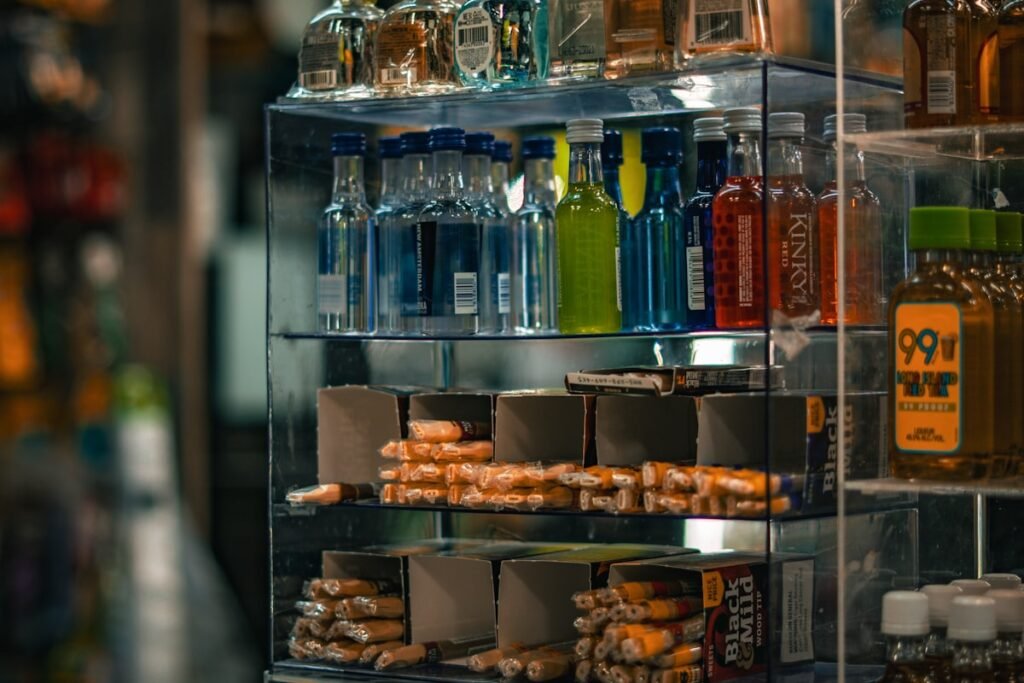
New Jersey lawmakers are weighing a proposal that could finally let grocery and convenience stores put beer, wine, and spirits on their shelves. Senate Bill S1254, introduced on January 13, 2026 and named the Garden State Grocery Liquor Licensing Act, would create a brand new retail license built specifically for food stores. For retailers who have watched supermarkets in neighboring states sell alcohol for decades, it is one of the most consequential bills of the session.
What the Bill Does
S1254 establishes a “restricted retail food store license” that authorizes qualifying stores to sell alcoholic beverages for off-premises consumption. Sponsored by Senator Linda R. Greenstein (District 14, covering parts of Mercer and Middlesex counties), the measure has been referred to the Senate Law and Public Safety Committee. It marks another step in New Jersey’s slow modernization of one of the most restrictive liquor regimes in the country.
To qualify, a business must be a bona fide “retail food store,” which the bill defines as an establishment where groceries and other foodstuffs make up at least 65 percent of total annual sales in dollars. Alcohol sales must remain “merely incidental and subordinate” to the grocery business. Once licensed, a store may display and sell alcoholic beverages anywhere on the sales floor alongside other products, rather than in a walled-off section.
The New Jersey Catch: In-State Products Only
There is a significant limitation retailers should understand. As drafted, the license only permits the sale of beverages produced by New Jersey craft manufacturers. That includes holders of a limited or restricted brewery license, a plenary or farm winery license, a cidery and meadery license, or a craft distillery license operating in the state. National beer, wine, and spirits brands would not be covered, which sharply narrows the practical value of the license unless the bill is amended.
What It Would Cost
License fees are tiered by store size, based on square footage:
- Under 5,000 square feet: $5,000 initial fee
- 5,000 to 20,000 square feet: $15,000 initial fee
- Over 20,000 square feet: $30,000 initial fee
- Annual renewal: $1,000 for all sizes
Fee revenue would be split, with 25 percent going to the state Division of Alcoholic Beverage Control and 75 percent to the municipality where the store operates.
Why It Matters Now
New Jersey has long capped retail distribution licenses and blocked most chains from selling alcohol at more than two locations, a rule that has kept liquor out of nearly every supermarket and convenience store in the state. The pressure to change has been building. In January 2024, Governor Phil Murphy signed a broad liquor modernization law that freed up inactive “pocket” licenses, created a new class of shopping-mall licenses, and lifted longstanding restrictions on craft breweries and distilleries.
S1254 is still early in the process and faces opposition from existing license holders, whose licenses can be worth hundreds of thousands of dollars. AARA will track the bill as it moves through committee and report any amendments that expand the product list or change the fee structure.
For AARA members in New Jersey, the takeaway is to watch this closely. If S1254 advances in anything close to its current form, food retailers will have a new path into alcohol sales, and the square-footage of your store will directly determine your entry cost.