
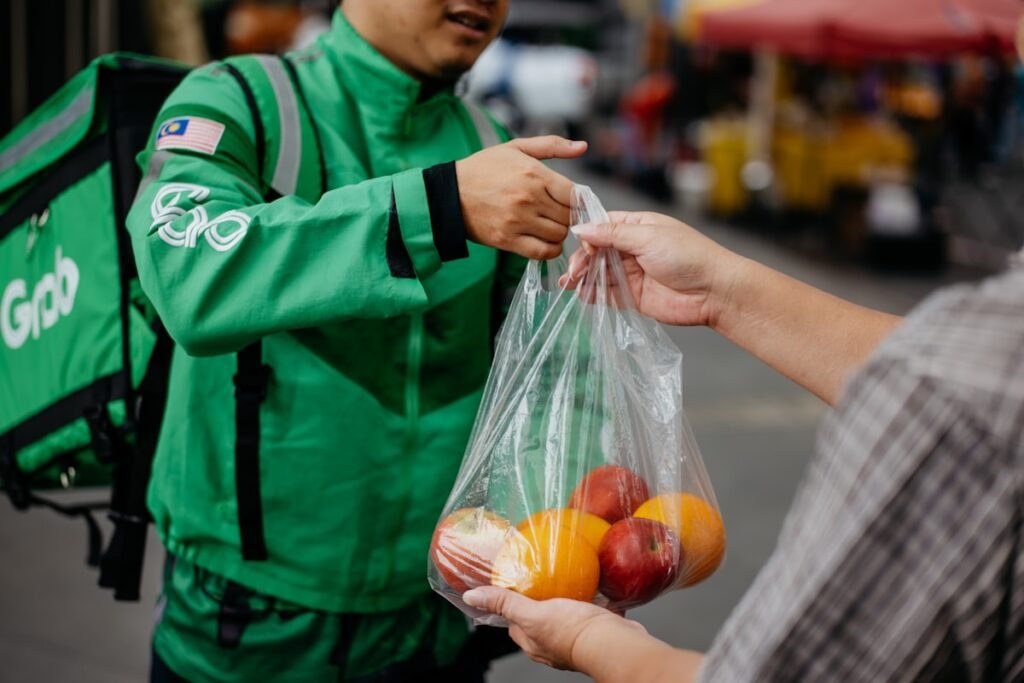
Pennsylvania has spent years inching toward alcohol delivery, and a bill now in Harrisburg would open the door to third-party services like DoorDash carrying beer, wine, and canned cocktails to customers’ homes. House Bill 1451 would create a new “transporters for hire” license under the state Liquor Code. For convenience stores, beer distributors, and other licensed retailers, it could mean a new sales channel. It also comes with strict age-verification and training rules that operators would need to build into their delivery partnerships.
What HB1451 Would Create
Sponsored by Representative Dan Deasy of Allegheny County, HB1451 would establish a Class D “transporters for hire” license. That license would let approved delivery companies pick up beer, wine, and ready-to-drink cocktails from licensed retailers and carry them to consumers. Today, some Pennsylvania retailers such as Sheetz already handle their own beer delivery, but the state has not had a clean framework for independent, app-based delivery services to do it at scale. More than 30 states already permit some form of third-party alcohol delivery.
The Guardrails
The bill pairs the new license with consumer-protection requirements aimed squarely at keeping alcohol away from minors and intoxicated buyers. Under the proposal, delivery services would have to:
- Verify the customer’s age, including through identification-scanning technology.
- Ensure drivers complete Pennsylvania Liquor Control Board training.
- Refuse to leave alcohol unattended on a doorstep.
- Refuse delivery to anyone who is visibly intoxicated.
Penalties would be steep. Violations would carry fines between $1,000 and $5,000 for a first offense, rising as high as $7,000 for a second offense.
Not Everyone Is Sold
The bill drew scrutiny at a hearing before the House Liquor Control Committee. Robert Bailey, bureau director for the state’s Liquor Control Enforcement, raised concerns that even with ID-scanning technology, sophisticated fake IDs and weak checks on whether a photo matches the person could let underage buyers slip through. That tension, expanding convenience while protecting against underage access, is likely to shape any amendments.
As of February 2026, HB1451 remained in the House Liquor Control Committee and had not passed either chamber. A separate measure, Senate Bill 1218, became Act 8 of 2026 on March 27, 2026 and also touches on transporters for hire, so the delivery framework is moving on more than one track.
What It Means for AARA Members
For Pennsylvania retailers, third-party alcohol delivery could add revenue without the cost of running your own delivery fleet. But it would also put your license at risk if a delivery partner mishandles an age check, since the alcohol originates from your store. Members should watch how HB1451 evolves, pay close attention to who bears liability for a failed verification, and be ready to vet any delivery service against the training and ID-scanning standards the final law requires. AARA will continue tracking both HB1451 and the Act 8 provisions as the rules take shape.